Reviewing Home is Where My Honey Bee for Real Embroidery Projects
As a designer who has spent years digitizing patterns and stitching out thousands of samples, I have learned that a pretty picture on a screen does not always translate to a beautiful finished product. When I first pulled up the Home is Where My Honey Bee design, my initial reaction was one of cautious optimism. The theme is undeniably charming, tapping into that warm, rustic aesthetic that dominates current home decor and apparel trends. However, charm alone does not make a viable machine embroidery design. I needed to know if the lines were clean, if the spacing allowed for proper stitch formation, and if it would hold up under the needle on various fabrics.
I decided to test this asset by imagining a specific real-world scenario: a custom order for a local boutique selling organic cotton tote bags and linen aprons. The client wanted something whimsical yet professional, suitable for a spring collection. This is where the practical evaluation of Home is Where My Honey Bee begins. It is not just about whether the image looks cute; it is about how it performs as a functional embroidery file in a commercial setting.
Visual Appeal and Design Layout
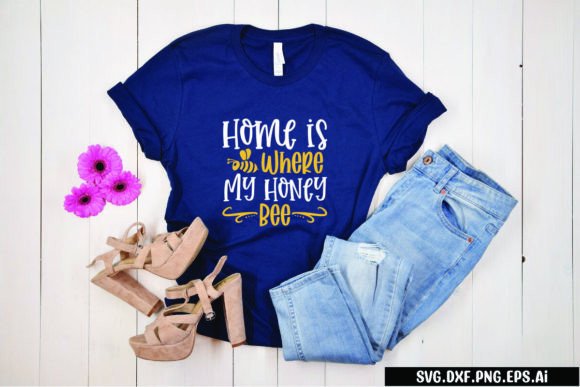
The first thing I look for in any Graphics package is the clarity of the vector paths. Since this product includes editable AI, EPS, and SVG files, I was able to inspect the underlying structure before even thinking about thread. The layout of "Home is Where My Honey Bee" suggests a balanced composition, likely featuring playful typography paired with bee motifs or floral elements. For a T-Shirt Designs category item, this balance is critical. If the text is too thin, it will disappear into the fabric texture. If the bee details are too dense, they will create bulky, stiff patches that ruin the drape of the garment.
In my assessment, the mood created by this design is inviting and wholesome. It fits perfectly into the niche of personalized gift items and handmade product lines that target families, gardeners, or those who appreciate cottage-core aesthetics. The visual personality feels approachable, which is exactly what you want for a sweatshirt embroidery project or a nursery decor piece. However, designers must be wary of overly complex intersections between letters and graphics. In embroidery, overlapping elements can cause thread breaks or nesting issues if not properly managed in the digitizing phase.
Performance on Different Fabrics and Hoops
Let us talk about the reality of stitching. I mentally placed this design on a few different substrates to gauge its versatility. On a sturdy canvas tote bag design, the Home is Where My Honey Bee motif would likely shine. The thicker fabric provides a stable base for fill stitch areas, ensuring that the colors pop without the fabric puckering. Here, the high-resolution PNG and JPG mockups included in the package become useful for showing clients a preview before you commit to stitching.
However, caution is required when moving to thinner or stretchier materials. If you are planning to use this for baby embroidery on a onesie, you must check the stitch density. A design that looks great on a heavy hoodie might be too rigid for delicate cotton knits. I recommend using a cut-away stabilizer for stretchy fabrics to prevent distortion. Additionally, if the design includes small, intricate details in the bee’s wings or the lettering serifs, these might get lost on textured fabrics like terry cloth towels or wool blends. In such cases, simplifying the design or increasing the size slightly can help maintain stitching clarity.
For curved surfaces like caps, the placement is key. The center-front panel of a cap has limited space. If the hoop size required for this design exceeds the standard cap frame dimensions, you will run into technical difficulties. Always measure your available hoop area against the design dimensions before purchasing or downloading. While the product description mentions editable files, resizing vector graphics does not automatically adjust the stitch count or density for embroidery machines. You would need dedicated embroidery software to regenerate the stitch file if you significantly change the size.
Commercial Viability for Etsy Sellers and Craft Businesses
For Etsy seller accounts and small shop product creators, the value of a design lies in its marketability and ease of use. The inclusion of transparent backgrounds and high-quality mockups is a significant advantage. It allows you to create professional-looking listings without needing to stitch every color variation physically. This saves time and resources, which is crucial for maintaining profitability in a craft business.
The fact that the files are color-changeable means you can adapt the thread colors to match seasonal trends. Imagine swapping bright yellows and blacks for pastel tones for a spring collection, or earthy greens and browns for an autumn line. This flexibility enhances brand consistency and allows for broader appeal. Furthermore, having access to DXF and SVG formats means you are not limited to embroidery. You can use these same assets for vinyl cutting, sublimation printing, or laser engraving, making them versatile design assets for a multi-channel commercial embroidery or crafting operation.
Customer trust is built on quality. A sloppy stitch-out reflects poorly on your brand. Therefore, before listing Home is Where My Honey Bee as a finished product, you must perform a test stitch. Run the design on scrap fabric similar to your final product. Check for thread breaks, jumps, and tension issues. Inspect the back of the embroidery to ensure there is no excessive buildup of bobbin thread, which can cause irritation in wearable items like custom apparel.
Practical Designer Notes and Final Verdict
Here are my top recommendations for getting the best results with this design:
- Test on Scrap Fabric: Never stitch directly on your final garment. Use a similar weight and weave to check how the satin stitch and fill areas behave.
- Check Contrast: Ensure your thread colors contrast sufficiently with the fabric. A yellow bee on a white shirt may vanish, while a black outline can define the shape effectively.
- Review Stitch Density: If the design feels stiff after stitching, consider reducing the density in your embroidery software or using a lighter stabilizer.
- Verify Licensing: Although the product includes editable files, always confirm the license terms. Can you sell the stitched items? Can you resell the digital file? Most commercial licenses allow selling finished physical goods but prohibit redistributing the digital embroidery file itself.
- Mockup Testing: Use the included transparent PNGs to place the design on photos of actual products. This helps visualize scale and placement before you start hooping.
In conclusion, Home is Where My Honey Bee offers strong potential for holiday embroidery, embroidered patch creation, and everyday apparel decorators. Its strength lies in its thematic appeal and the versatility of the provided file formats. However, success depends on the designer’s attention to technical details. By respecting the limitations of fabric texture, hoop size, and stitch density, you can transform this digital graphic into a high-value, tactile product that customers will love. Whether you are creating a wedding gift, a boutique merchandise line, or a simple personalized product for a friend, this design serves as a solid foundation for creative expression, provided it is handled with professional care and technical precision.