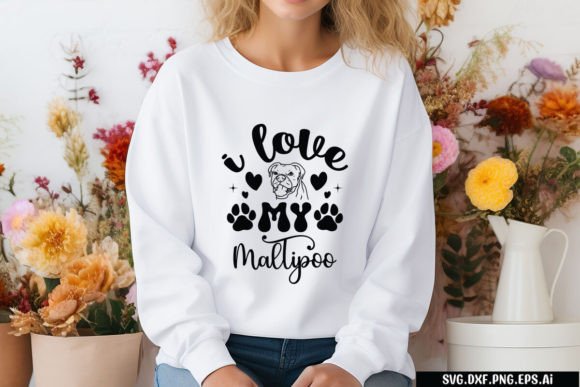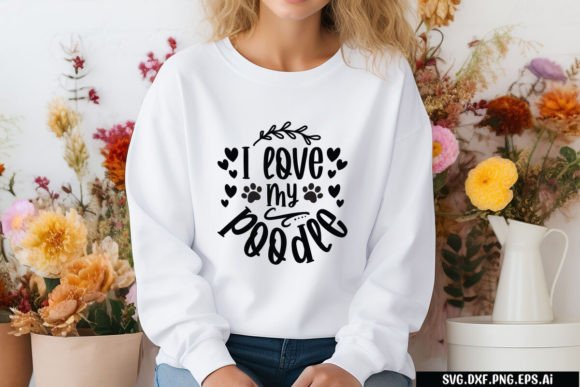
I Love My Poodle: A Designer’s Real-World Embroidery Review
As an experienced embroidery designer and product reviewer, I approach every new machine embroidery design with a critical eye. It is not enough for a graphic to look cute on a screen; it must translate flawlessly into thread, withstand the tension of the hoop, and hold up after washing. Recently, I evaluated I Love My Poodle, a digital asset marketed toward crafters and small business owners. My goal was to determine if this design holds up in real-world production environments, from boutique sweatshirts to custom tote bags.
First Impressions and Visual Personality
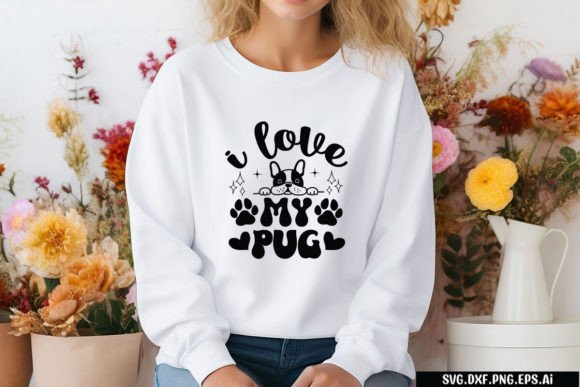
The immediate appeal of I Love My Poodle lies in its charming simplicity. The layout balances playful typography with a recognizable silhouette, creating a mood that is both affectionate and modern. For embroidery, this balance is crucial. Overly complex graphics often turn into messy blobs of thread, while overly simple ones can look sparse. This design strikes a middle ground that suggests versatility.
The visual personality feels tailored for pet lovers, a massive demographic in the handmade market. When I first loaded the files, I looked for clean lines and logical color separation. The inclusion of editable formats like AI, EPS, and SVG indicates that the creator understands the needs of designers who may need to tweak the layout before digitizing or printing. However, as an embroiderer, my primary concern is how these shapes convert to stitches. The curves of the poodle and the flow of the text suggest a design that relies heavily on smooth satin stitches or well-placed fill stitches to maintain clarity.
Real-World Application: From Screen to Stitch
To truly test I Love My Poodle, I imagined several practical scenarios common in my studio and for my clients. The most obvious application is custom apparel. Picture a high-quality cotton sweatshirt. The design sits comfortably on the left chest or centered on the back. Because the theme is specific yet universal among dog owners, it serves as an excellent personalized gift or a staple item for a niche craft business.
Beyond apparel, I considered its use on accessories. A canvas tote bag is a popular item for Etsy sellers. The sturdy fabric of a tote provides an ideal surface for embroidery, allowing the stitches to pop without sinking into the weave. Here, the I Love My Poodle graphic would act as a focal point. The contrast between the thread colors and the natural canvas tone would enhance visibility. Similarly, this design could work beautifully on a kitchen towel or apron, adding a touch of whimsy to household items.
For those running a small shop, the versatility of the provided files—PNG, JPG, and vector formats—means you are not limited to stitching. You can use the high-resolution mockups for social media previews or create printable products. This multi-use potential increases the value of the purchase, making it a smart addition to your library of design assets.
Technical Considerations for Embroiderers
While the aesthetic is strong, technical execution is where projects succeed or fail. When working with I Love My Poodle, you must consider stitch density. If the original file is a graphic rather than a pre-digitized embroidery file, you will need to digitize it yourself or hire a professional. During this process, pay close attention to the small details. Tiny lettering can become illegible if the stitch count is too low or if the font weight is too thin. Conversely, dense areas can cause puckering, especially on lighter fabrics.
Fabric choice plays a pivotal role. On stretchy materials like jersey knits for t-shirts, using the correct stabilizer is non-negotiable. A cut-away stabilizer would likely provide the necessary support to keep the design flat and prevent distortion. For woven fabrics like denim or canvas, a tear-away might suffice, but testing is essential. I always recommend stitching out a test sample on scrap fabric identical to your final product. This allows you to check thread tension, color contrast, and overall alignment before committing to the final piece.
Color selection is another critical factor. The design is described as 100% color changeable, which is a significant advantage. You can adapt the thread colors to match specific brand palettes or customer preferences. For example, using pastel threads on a baby onesie creates a soft, nursery-appropriate look, while bold, contrasting colors on a dark hoodie make the design stand out. Always test your color combinations in black and white mockups first to ensure the design retains its integrity without relying solely on color for definition.
Navigating Challenges and Limitations
No design is perfect for every situation. There are specific contexts where I Love My Poodle requires careful handling. Small hoop sizes, such as 4x4 inches, might constrain the design if it includes extensive text. You may need to resize elements, which can affect stitch quality. Additionally, curved surfaces like caps present challenges. The curvature can distort the image, so proper hooping technique and possibly a different digitizing approach for the text curvature are necessary.
Textured fabrics also pose a risk. If you are embroidering on a thick towel or a fuzzy fleece, fine details can get lost. In these cases, simplifying the design or increasing the stitch size slightly can help maintain clarity. Furthermore, if the design includes very thin lines, they may break easily during wear and washing. Reinforcing these areas with additional underlay stitches or choosing a thicker thread weight can improve durability.
It is also vital to consider the end-use of the product. Items that undergo frequent washing, such as baby clothes or kitchen towels, need robust stitching. Ensure that your stitch density is sufficient to hold up to laundering, and always follow care instructions when advising customers. For commercial embroidery projects, consistency is key. Make sure your machine is calibrated and your threads are high quality to maintain a professional finish across multiple units.
Enhancing Brand Value and Customer Trust
From a business perspective, the quality of your embroidery directly impacts customer trust. A well-executed I Love My Poodle design signals professionalism and attention to detail. It enhances the perceived value of the finished product, whether it is a standalone item or part of a larger collection. For Etsy sellers and boutique owners, offering unique, high-quality designs helps differentiate your brand in a crowded marketplace.
The inclusion of high-quality mockups and transparent backgrounds in the product package is a thoughtful touch. These assets allow you to present your products professionally online, even before you have stitched every variation. This saves time and helps you visualize how the design will look on different products, from pillows to patches. Effective presentation leads to higher buyer engagement and can significantly boost sales.
Final Verdict and Practical Advice
In conclusion, I Love My Poodle is a promising asset for designers and makers. Its charm and versatility make it suitable for a wide range of applications, from holiday gifts to everyday apparel. However, success depends on proper technical execution. Always verify the file formats and licensing terms before using them for commercial purposes. Check if the design is provided as a ready-to-stitch embroidery file or if it requires digitizing. If it is the latter, factor in the time and skill needed to convert the graphics into a stitch file.
My advice is to start small. Stitch a sample on a similar fabric to your intended product. Experiment with different thread colors and stabilizers. Observe how the design behaves under tension and after washing. By taking these practical steps, you can ensure that I Love My Poodle becomes a reliable and profitable part of your creative toolkit. Whether you are creating a custom embroidered patch or a line of boutique t-shirts, this design has the potential to delight customers and elevate your craft business.