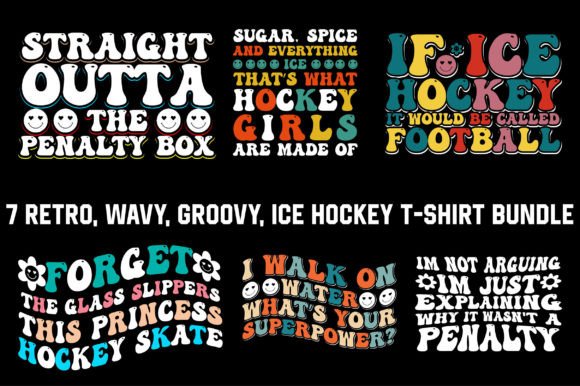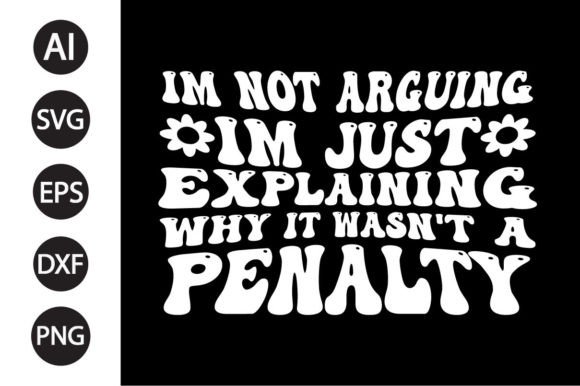
Reviewing the Retro Wavy Groovy Ice Hockey Design
As a designer who has spent countless hours digitizing and testing machine embroidery design files, I have learned that not every graphic translates well to thread. When I first pulled up the Retro, Wavy, Groovy, Ice Hockey T-shirt file, my initial reaction was one of cautious optimism. The aesthetic is undeniably trendy, tapping into that 1970s nostalgia that is currently dominating the T-Shirt Designs market. However, seeing a image on a screen and stitching it onto fabric are two very different experiences. This review breaks down how this specific set of Graphics performs in real-world applications, helping you decide if it belongs in your next embroidery project.
First Impressions and Visual Personality
The immediate mood created by this design is playful and energetic. The wavy typography combined with classic hockey imagery creates a juxtaposition that feels both sporty and fashion-forward. For an Etsy seller or craft business owner, visual appeal is the first hurdle. This design clears it easily. The layout suggests movement, which is crucial for sports-themed apparel. However, from a technical standpoint, I looked closely at the curves. In embroidery, tight waves can sometimes cause puckering if the stitch density is too high or if the underlay is insufficient. The retro style often relies on bold, thick lines, which generally translates well to satin stitch or wide fill stitch areas, providing good coverage without excessive bulk.
Real-World Application: The Sweatshirt Test
To truly evaluate the Retro, Wavy, Groovy, Ice Hockey T-shirt design, I imagined applying it to a heavyweight cotton sweatshirt. This is a common request for custom apparel orders during the winter sports season. On a thick fabric like fleece or French terry, the design needs to stand out without getting lost in the texture. The bold nature of the groovy font works in our favor here. Unlike delicate script fonts that might sink into plush fabrics, the substantial shapes in this hockey-themed graphic maintain their integrity.
I also considered its use on a canvas tote bag design. For a small shop product aimed at hockey moms or fans, a tote bag is a practical personalized gift. The wavy elements add a dynamic flair that breaks the monotony of standard block lettering. When stitched on canvas, the design requires a sturdy cut-away stabilizer to prevent distortion, especially given the horizontal spread of the wavy text. If you are planning to sell these as handmade product items, ensuring the backing is trimmed neatly will elevate the perceived value of the finished product.
Navigating Technical Challenges
While the aesthetic is strong, there are areas where caution is required. The description mentions "100 editable file" and "100 color changeab," which suggests versatility but also places the burden of technical adjustment on you. If you are new to embroidery, be wary of the smallest details. Tiny elements in retro designs can sometimes get lost if the thread colors do not contrast sufficiently with the fabric.
For instance, if you are stitching this on a dark navy jersey, using black thread for any shadow effects will render them invisible. Always test your embroidery file on scrap fabric first. Check how the running stitch outlines hold up against the fill areas. If the design includes any fine lines within the hockey puck or stick graphics, ensure they are not too close together, as this can cause thread breaks or bird nesting during high-speed stitching.
Another critical consideration is the hoop size. Wavy, elongated designs often require a larger hoop, such as a 5x7 or 6x10, to accommodate the full width without breaking the flow of the text. If you attempt to shrink this design to fit a smaller 4x4 hoop for an embroidered patch or a baby item, you risk losing the legibility of the groovy font. Always check the dimensions provided in the file package before purchasing. If the native size is too large for your intended baby embroidery project, you may need to resize it carefully, keeping in mind that reducing size increases stitch density relative to the area, which can lead to stiffness.
Commercial Viability and Brand Consistency
For commercial embroidery professionals, consistency is key. The Retro, Wavy, Groovy, Ice Hockey T-shirt design offers a unique selling point because it merges niche sports interest with broader fashion trends. This expands your potential customer base beyond just hockey players to include fans of retro aesthetics. When creating printable mockup images for your online store, this design photographs well because of its distinct shapes. High-contrast design assets like this tend to perform better in social media previews, driving higher engagement.
However, remember that the product description specifies this is a "Printable Sublimation Design." This is a crucial distinction. If you are an embroiderer, you must ensure you are buying the correct format. Sublimation files are typically high-resolution PNGs or JPEGs, not digitized stitch files like PES or DST. If you intend to embroider this, you will need to digitize it yourself or hire a digitizer, unless the seller explicitly provides an applique design or stitched version. Using a sublimation print as a reference for manual digitizing allows you to control the stitch density and type, ensuring it suits your specific machine and fabric choices.
Final Verdict for Makers
The Retro, Wavy, Groovy, Ice Hockey T-shirt concept is a winner for those looking to create standout holiday embroidery gifts or boutique sports apparel. Its strength lies in its bold, nostalgic character. To succeed with this design, focus on proper stabilization, choose high-quality threads that complement the retro color palette, and always run a test stitch-out. Whether you are creating a sweatshirt embroidery piece for a client or adding a fun touch to a kitchen towel, this design has the potential to become a bestseller in your small shop product lineup. Just ensure you have the rights and the correct file formats for your specific method of production, whether that is direct embroidery or sublimation printing.