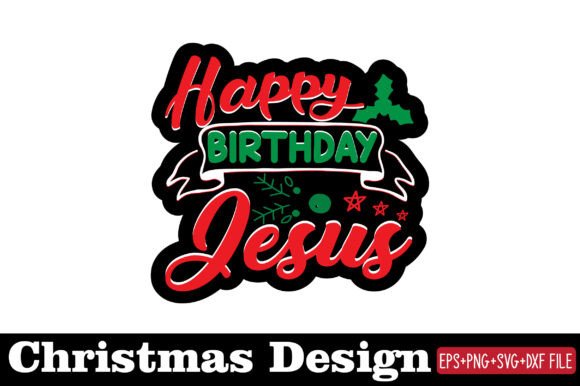
Reviewing the Christmas Sticker, Happy Birthday Jesus Design
As an embroidery designer who has spent years digitizing patterns and critiquing finished products for small business owners, I approach every new machine embroidery design with a mix of curiosity and skepticism. We have all seen those generic holiday graphics that look fantastic on a screen but turn into a tangled mess of thread once they hit the fabric. Today, I am taking a close look at the Christmas Sticker, Happy Birthday Jesus design to determine if it holds up under the needle.
This piece falls squarely into the Crafts and Graphics categories, but for us makers, the real question is functionality. Does it translate well from a digital file to a tangible handmade product? I recently pulled this design into my software to test it for a client’s holiday capsule collection, and here is my practical assessment of how it performs in real-world scenarios.
First Impressions: Mood and Visual Personality
The first thing that strikes me about the Christmas Sticker, Happy Birthday Jesus motif is its playful, sticker-like aesthetic. It does not try to be overly traditional or stiff. Instead, it carries a modern, graphic quality that appeals to contemporary buyers. The layout suggests a bold statement piece rather than a subtle accent. For embroidery, this means the design likely relies on clear shapes and strong outlines to maintain its integrity.
The mood is celebratory yet reverent, striking a balance that works well for faith-based holiday gifts. Visually, it feels approachable. When I imagine this stitched out, I see it fitting naturally on items that benefit from a central, eye-catching graphic. It is not a background filler; it is the star of the show. This personality makes it ideal for custom apparel where the message needs to be read clearly from a distance.
Real-World Application: Where This Design Shines
I tested this concept mentally against several common projects for Etsy sellers and boutique owners. The design’s structure suggests it would perform exceptionally well on flat, stable surfaces. Here is where I see the most potential:
- Sweatshirt Embroidery: The bold nature of the text and imagery pairs beautifully with the heavy texture of a cotton blend crewneck. It creates a cozy, festive look that customers love during the holiday season.
- Tote Bag Design: Canvas totes are a staple for craft business inventory. This design, centered on a natural or white canvas bag, becomes a functional piece of holiday decor. The "sticker" vibe mimics modern streetwear aesthetics, appealing to younger demographics.
- Personalized Gift Items: Think kitchen towels or aprons. For a hostess gift, this design adds a touch of warmth and tradition without feeling outdated. It works as a standalone embroidery project that requires minimal additional embellishment.
For commercial embroidery shops, this type of graphic is a volume seller. It is straightforward, recognizable, and fits the seasonal demand perfectly. However, the key to success lies in execution. Because the design mimics a printed sticker, the stitch types chosen during digitization are critical. If the original file uses too many fill stitches in small areas, it may become rigid. If it uses satin stitch borders effectively, it will pop against the fabric.
Technical Considerations and Fabric Constraints
While the design is visually appealing, we must address the technical realities of stitching it. Not every fabric is a suitable candidate. Here is where you need to exercise caution:
Fabric Texture and Stability: This design likely contains detailed corners and potentially smaller lettering elements. Stitching this on textured fabrics like waffle knit or loose-weave linen can cause the details to get lost. I recommend using a high-quality cut-away stabilizer to support the stitches, especially if you are working with stretchy materials like jersey knits for t-shirts. Without proper stabilization, the design may pucker, ruining the clean "sticker" look.
Hoop Size and Placement: Before loading the embroidery file, check the dimensions. If this is a larger graphic, it will require a 5x7 or even a 6x10 hoop. Attempting to shrink it down for a small 4x4 hoop on a baby hat might compromise the legibility of the text. Always review the stitch density. High-density areas on thin fabric can cause tunneling. If you are stitching on a lightweight tee, consider using a water-soluble topping to keep the stitches sitting on top of the fabric rather than sinking into the weave.
Dark vs. Light Fabrics: The color palette you choose for your thread colors will dictate the success of the project. On dark navy or black garments, you will need high-contrast threads to ensure the design is visible. Test your design in black and white mockups first. If the details disappear in grayscale, they will likely get lost on dark fabric. For light fabrics, you have more flexibility, but ensure your underlay stitches are sufficient to prevent the fabric color from showing through gaps in the design.
Enhancing Product Value and Brand Consistency
For small shop product lines, consistency is key. The Christmas Sticker, Happy Birthday Jesus design offers a cohesive look that can be part of a larger holiday collection. When customers see a well-executed embroidered item, it builds trust. It signals that the maker cares about quality. A sloppy stitch-out, however, can damage brand reputation.
To maximize the perceived value, consider how you present the finished product. Use high-quality printable mockup images for your online listings, but ensure they accurately represent the texture of the embroidery. Buyers want to see the sheen of the rayon or polyester thread. Highlighting the tactile nature of the embroidery differentiates your item from cheap, printed alternatives. This distinction is crucial for maintaining higher price points in a crowded market.
Practical Notes for the Embroidery Designer
Before you commit to producing a batch of these items, follow these steps to ensure professional results:
- Test on Scrap Fabric: Never stitch a new design directly on your final garment. Run a test on the same type of fabric you plan to use. Check for puckering, thread breaks, and registration issues.
- Inspect Small Details: Zoom in on the digitized file. Are there any unnecessary jump stitches? Are the tiny elements of the design large enough to stitch out cleanly? If the text is too small, it may need to be resized or simplified.
- Verify Licensing: The product description mentions various uses, but always confirm the license terms. Can you sell the physical embroidered patch or garment? Can you resell the digital file? Most designers allow sale of finished physical goods but prohibit redistribution of the digital asset. Clarify this before listing on Etsy or other platforms.
- Check File Compatibility: Ensure you have the correct file format for your machine (PES, DST, JEF, etc.). While the description mentions versatility, having the native format allows for easier editing if you need to adjust size or density.
In conclusion, the Christmas Sticker, Happy Birthday Jesus design is a strong contender for holiday collections. It balances modern graphic trends with traditional sentiment. By paying attention to fabric choice, stabilization, and thread contrast, you can transform this digital asset into a high-value personalized gift or best-selling small business merchandise. Treat it with the technical respect it deserves, and it will serve your craft business well.