Reviewing KINDA CLASSY KINDA HOOD Svg for Embroidery
As a designer who spends more time staring at stitch simulations than I do sleeping, I have learned that not every digital file translates well to thread. We live in an era where design assets are abundant, but finding a graphic that holds up under the needle is a different challenge entirely. Recently, I pulled the KINDA CLASSY KINDA HOOD Svg from my library to evaluate its potential for real-world application. This is not just about whether the lines look clean on a screen; it is about how this design behaves when subjected to the physical realities of fabric, tension, and hoop limits.
First Impressions and Visual Personality
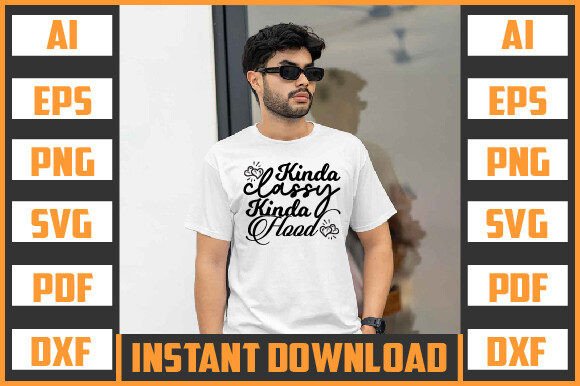
The immediate appeal of KINDA CLASSY KINDA HOOD Svg lies in its typographic balance. It strikes a chord between casual streetwear aesthetics and a polished, boutique finish. The phrase itself suggests a relaxed confidence, which makes it incredibly versatile for modern custom apparel. When I first opened the file, I was looking for closed paths and consistent line weights. For embroidery, these are non-negotiable. A messy vector can lead to jagged satin stitches or unnecessary jump threads that ruin the back of your work.
This design feels right at home in the Crafts category, specifically for those looking to elevate simple garments into statement pieces. The layout is compact enough to fit standard hoop sizes without requiring excessive resizing, which often distorts lettering. The visual personality is friendly yet sharp, making it suitable for a wide demographic, from teenagers wanting cool sweatshirt embroidery to adults looking for subtle, witty accents on their daily wear.
Real-World Application: The Tote Bag Test
To truly test a design, you must imagine it on a specific product. I visualized this graphic on a heavy canvas tote bag. This is a popular item for Etsy sellers and small shop products because it offers a large, flat surface area. The KINDA CLASSY KINDA HOOD Svg works beautifully here. The text is bold enough to be read from a distance, yet the "classy" element implies a level of sophistication that prevents it from looking like a cheap promotional giveaway.
In this scenario, the design would likely benefit from a combination of stitch types. The thicker elements of the letters could handle a dense fill stitch, providing a plush, textured look that invites touch. Thinner connectors or outlines might require a precise satin stitch to maintain clarity. If you are creating a handmade product for a craft fair, this kind of visual texture adds perceived value. Customers are willing to pay more for items that look intricate and well-finished, and this design supports that goal without being overly complex to stitch out.
Apparel and Personalized Gifts
Beyond totes, this graphic is a strong contender for personalized gift markets. Imagine it embroidered on the chest of a high-quality hoodie or the sleeve of a jumper. The placement possibilities are endless. For baby embroidery, one might need to scale it down significantly, but caution is advised. Tiny details can get lost in the pile of fleece or terry cloth. However, for adult-sized custom apparel, the scale is generally forgiving.
I also see potential in holiday markets. While not explicitly seasonal, the neutral tone of the message allows it to serve as a year-round staple. It could easily be adapted for holiday embroidery projects by changing thread colors to match festive palettes—think deep greens and reds for winter, or pastels for spring. This flexibility is crucial for craft business owners who need to maximize the utility of their digital embroidery file inventory.
Technical Considerations and Fabric Challenges
While the design is promising, a professional review must address the pitfalls. Not every fabric behaves the same way. If you are stitching on stretchy materials like jersey knits for t-shirts, stabilization is key. Without a proper cut-away stabilizer, the stitch density of the text could cause puckering, ruining the clean lines of the graphic. The design does not appear overly dense, which is a good sign, but testing on scrap fabric is mandatory before committing to a final finished product.
Dark fabrics present another challenge. If you are using light thread colors to make the text pop, you must ensure that the underlying fabric does not show through the stitches. This might require an underlay strategy or even considering an applique design approach if the original file allows for such modification. However, since this is provided as an SVG, it is primarily a vector graphic intended for cutting or printing, which means converting it to a machine-readable embroidery file requires careful digitizing. You cannot simply import an SVG into most embroidery machines without intermediate software processing.
Small Hoops and Curved Surfaces
For those attempting to place this on curved surfaces like caps or hats, the width of the design becomes a critical factor. A standard front cap hoop is narrow. If the phrase "KINDA CLASSY KINDA HOOD" is too wide, it will distort when hooped. In such cases, stacking the text or reducing the size might be necessary, but this risks legibility. Always check the dimensions against your specific hoop size capabilities. Additionally, tiny corners in lettering can trap thread breaks or cause buildup. Inspecting the design at 100% zoom helps identify these potential trouble spots before you start stitching.
Enhancing Brand Consistency and Value
For commercial embroidery professionals, consistency is brand currency. Using a reliable graphic like KINDA CLASSY KINDA HOOD Svg helps maintain a cohesive look across a product line. Whether you are selling embroidered patches, pillow covers, or kitchen towels, the clarity of the design contributes to customer trust. A crisp, well-executed stitch-out signals professionalism. It tells the buyer that attention was paid to detail, which encourages repeat business and positive reviews.
Moreover, this design serves well in printable mockup presentations. Before you even stitch a single thread, you can place this SVG on digital templates of mugs, posters, and bags to gauge market interest. This low-risk testing phase is invaluable for creative entrepreneurs who need to validate ideas quickly. The versatility of the graphic means it fits seamlessly into various Graphics collections, allowing for cross-promotion between printed and stitched goods.
Practical Designer Notes for Best Results
To get the most out of this design, keep these practical tips in mind:
- Test on Scrap Fabric: Always run a test stitch on the same material you plan to use for the final item. This reveals issues with tension and stabilizer choice.
- Check Thread Contrast: Ensure your thread colors stand out against the fabric. High contrast improves readability, especially for text-based designs.
- Review Stitch Density: If you are digitizing this SVG yourself, avoid excessive density in small letters to prevent thread breaks and fabric distortion.
- Confirm Licensing: Before selling items made with this design, verify the license terms included in the ZIP file. Commercial rights vary by creator.
- Inspect Small Details: Zoom in on the vector file to ensure all nodes are clean. Remove any stray points that could cause erratic machine movement.
In conclusion, KINDA CLASSY KINDA HOOD Svg is a solid addition to any designer’s toolkit. It offers a blend of style and practicality that appeals to modern tastes. By understanding its technical requirements and leveraging its visual strengths, you can create standout embroidery projects that resonate with customers. Whether you are a hobbyist making gifts or a seasoned Etsy seller expanding your catalog, this design provides a reliable foundation for creative expression.