Reviewing Dog Fur is Just Part of the Decor Svg for Embroidery
As a designer who has spent countless hours digitizing and stitching out thousands of patterns, I have learned that not every cute graphic translates well to thread. When I first encountered the Dog Fur is Just Part of the Decor Svg, my initial reaction was one of cautious optimism. The phrase itself is witty, relatable, and perfectly captures the chaotic charm of living with pets. However, as embroidery professionals, we know that humor alone does not make a successful stitch-out. We need to evaluate line weight, spacing, and overall composition to ensure the final finished product looks professional rather than messy.
This review breaks down how this specific design performs in real-world scenarios, moving beyond the digital preview to the tactile reality of needle and thread. Whether you are an Etsy seller looking to expand your craft business inventory or a hobbyist making a personalized gift for a fellow dog lover, understanding the practical limitations and strengths of this file is crucial.
First Impressions: Mood and Visual Personality
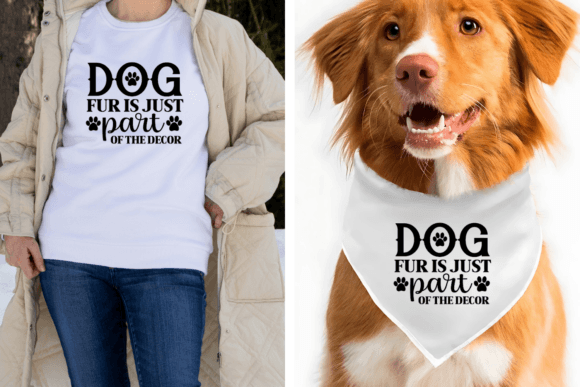
The mood of the Dog Fur is Just Part of the Decor Svg is lighthearted and domestic. It speaks directly to the "dog mom" or "dog dad" demographic, a massive market in the Crafts and handmade sector. Visually, the design relies heavily on typography. In the world of Graphics, text-based designs are tricky because they must remain legible after being converted into stitches.
Upon closer inspection, the layout appears balanced, with the text likely serving as the primary focal point. For an embroidery project, this means the success of the design hinges on font choice and kerning. If the letters are too thin, they may disappear into the fabric texture. If they are too dense, the fabric might pucker. My assessment suggests this design works best when treated as a statement piece, where the message is clear and the stitching supports the readability of the quote.
Real-World Application: From Digital File to Stitched Item
To truly test the viability of this design, I imagined applying it to several common items found in a small shop product lineup. Here is how the Dog Fur is Just Part of the Decor Svg holds up in different contexts:
- Tote Bag Design: Canvas bags are forgiving and provide a stable surface. The humorous nature of the quote fits perfectly here, appealing to customers who want a functional yet funny accessory for dog park visits. The sturdy fabric allows for higher stitch density without worrying about distortion.
- Sweatshirt Embroidery: This is perhaps the most popular application. A crewneck sweatshirt offers a large, flat area for the design. However, fleece and cotton blends can be tricky. You must ensure the design is not too wide, or it will wrap around the sides uncomfortably. The contrast between the thread and the heathered fabric needs careful planning.
- Embroidered Patch: Creating a patch allows for maximum control. You can use a heavy cut-away stabilizer and satin borders to frame the text. This turns the design into a versatile design asset that can be ironed onto jackets, hats, or bags later.
- Kitchen Towels and Aprons: For the home decor angle, this quote works well on linen or cotton towels. It adds a touch of personality to the kitchen, acknowledging that pet hair inevitably ends up everywhere. Here, a lighter touch with running stitches or simple fill stitches might be preferable to keep the fabric soft.
Technical Considerations for Embroidery Designers
While the provided product description mentions you receive a PNG and an EPS file, it is vital to note that these are Graphics formats, not native machine embroidery files like PES or DST. This distinction is critical for any serious commercial embroidery work. You will need to digitize the SVG or EPS file yourself or hire a digitizer to convert it into a proper embroidery file.
When digitizing or reviewing the converted file, pay attention to these technical aspects:
- Stitch Type Selection: For the text, satin stitches often provide a clean, raised look that pops against the fabric. However, if the font is small, column width must be narrow to prevent snagging. Avoid using complex fill stitches for tiny details, as they can create bulk.
- Thread Colors: Since the design is about "decor," consider using thread colors that mimic home aesthetics—creams, taupes, or soft grays—rather than neon brights, unless you are aiming for a playful, modern vibe. Always test your thread colors against your chosen fabric.
- Hoop Size: Confirm the dimensions of the design before hooping. If the text is long, you may need a 5x7 or 6x10 hoop. Trying to cram a wide design into a 4x4 hoop will result in lost detail or distorted lettering.
- Fabric Texture: Textured fabrics like terry cloth or waffle knit can swallow thin stitches. If you are stitching on these materials, increase the stitch count slightly or use an underlay to build a foundation.
Where to Use Caution
Not every project is suitable for this specific design. As an experienced reviewer, I advise caution in the following scenarios:
Stretchy Fabrics: If you are attempting custom apparel on thin jersey knits, the weight of the embroidery can cause the garment to sag or warp. Always use a high-quality cut-away stabilizer and consider backing the entire hoop area with interfacing.
Dark Fabrics: If the design relies on fine lines, stitching light thread on dark fabric can sometimes show the underlying fabric through the stitches if the density is too low. Perform a test stitch on scrap fabric to check for coverage.
Curved Surfaces: Applying this to a cap requires careful placement. The curvature of the crown can distort horizontal text. You may need to adjust the arch of the design during digitization to compensate for the visual distortion caused by the curve.
Enhancing Product Value and Customer Trust
For the small business owner, the quality of your embroidery directly impacts brand consistency and customer trust. A well-executed Dog Fur is Just Part of the Decor Svg can become a bestseller because it resonates emotionally with buyers. It validates their experience as pet owners.
To maximize the value of this handmade product, presentation is key. Use high-quality printable mockup images for your online listings, but ensure they accurately represent the stitch texture. Buyers appreciate seeing close-ups of the actual stitching. This transparency builds confidence in your craftsmanship. Furthermore, offering this design on various items—from baby embroidery onesies (if scaled down appropriately) to large pillow covers—shows versatility and encourages larger cart sizes.
Final Designer Notes and Best Practices
Before you launch this design in your shop or start stitching for a client, follow these final steps:
- Test on Scrap Fabric: Never skip this step. Stitch the design on the exact fabric type you plan to sell. Check for puckering, thread breaks, and clarity.
- Check Licensing: The product description states it is a premium instant download. Ensure you understand the license terms regarding commercial embroidery. Can you sell physical items made with this design? Can you resell the digital file? Clarify this before listing products.
- Inspect Small Details: Zoom in on the EPS or PNG file. Are there any stray pixels or jagged edges? Clean up the vector paths before digitizing to ensure smooth curves in your stitch file.
- Contrast Testing: Create black and white mockups to see if the design holds its shape without color reliance. If it looks good in monochrome, it will look good in thread.
In conclusion, the Dog Fur is Just Part of the Decor Svg is a charming addition to any designer’s library, provided it is handled with technical care. It bridges the gap between humor and home decor, offering a unique selling point for Etsy sellers and crafters. By respecting the limitations of the medium and prioritizing stitch quality, you can transform this simple graphic into a high-value, sought-after item that brings joy to dog lovers everywhere.