Review: The Best View Comes After Hardest Climb Design
As an embroidery designer who has spent years digitizing files and testing them on everything from delicate baby onesies to heavy canvas tote bags, I have learned that not every graphic translates well to thread. When I first pulled up The Best View Comes After- Hardest Climb, my initial reaction was one of cautious optimism. This is a popular sentiment in the outdoor community, but translating that motivational energy into a stitched format requires careful consideration of line weight, spacing, and visual balance.
This review is not just about whether the image looks good on a screen. It is about how The Best View Comes After- Hardest Climb performs when it hits the needle. I am evaluating this as a practical asset for craft business owners, Etsy sellers, and hobbyists who need reliable design assets for their next embroidery project.
First Impressions and Visual Personality
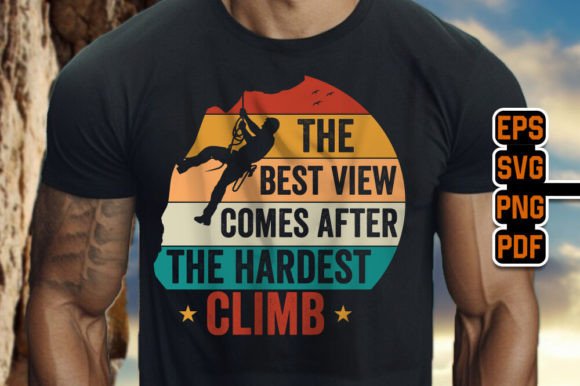
The theme of rock climbing combined with the quote creates an immediate mood of resilience and adventure. Visually, the design leans into a rugged, organic aesthetic. For those of us working in T-Shirt Designs and Graphics, we know that clarity is king. In this specific file, the layout appears to balance textual elements with illustrative components, likely featuring mountainous or climbing motifs.
The mood it creates is grounded and inspiring. It does not scream for attention with neon brightness but rather invites a closer look. This makes it suitable for products that aim to tell a story. However, because the product description specifies you receive PNG files, we are dealing with a raster image. This means you are not getting a native machine embroidery design file like PES or DST. You are getting a high-quality graphic that must be digitized or used for print-on-demand applications. If you plan to stitch this, you will need to convert it or use it as a reference for manual digitizing, which changes the workflow significantly compared to buying a pre-digitized embroidery file.
Real-World Application: The Custom Sweatshirt Test
To truly understand the value of this design, let us walk through a real-life scenario. Imagine a client comes to your small shop requesting a custom gift for their partner, an avid rock climber who just completed a challenging summit. They want a sweatshirt embroidery piece that feels personal and durable.
Using The Best View Comes After- Hardest Climb as the central graphic on the back of a heather grey crewneck could work beautifully. The natural texture of the sweatshirt fabric complements the rugged theme. However, since you are working with a PNG, you must consider how this translates to stitch. If you are using this for sublimation or direct-to-garment printing, the PNG format is ideal. But if you are stitching, you must ensure the details are not too fine. Tiny lettering in the phrase "Hardest Climb" might get lost if the stitch density is too high or if the thread color does not contrast sufficiently with the fabric.
For a personalized gift, the emotional resonance of the quote adds significant value. Customers are not just buying a shirt; they are buying recognition of effort. This design fits perfectly into the niche of custom apparel for athletes and outdoor enthusiasts. It also works well for holiday embroidery gifts, particularly for Father’s Day or Christmas, where meaningful messages are preferred over generic patterns.
Fabric and Hoop Considerations
One of the most critical aspects of using any new graphic is understanding its limitations on different materials. While The Best View Comes After- Hardest Climb is versatile, it demands respect regarding placement and fabric choice.
- Textured Fabrics: On towels or rough canvas, fine details can disappear. If you are creating a tote bag design, ensure the main elements of the graphic are bold enough to stand out against the weave.
- Stretchy Fabric: If applying this to a cap or a fitted tee, remember that stretch distorts stitches. Without proper stabilization, the text might warp, ruining the readability of the message.
- Dark Fabric: If you are stitching this onto black or navy, you must choose high-contrast thread colors. A dark grey thread on a black shirt will render the design invisible. Always test your color palette on scrap fabric first.
- Small Hoop Sizes: This design likely requires a medium to large hoop to maintain legibility. Trying to cram the full quote and imagery into a 4x4 inch hoop may result in cluttered stitching. Check the aspect ratio before committing to a small hoop size.
For items like baby embroidery projects, such as onesies or bibs, you must be extremely careful. The skin of an infant is sensitive, and dense stitching can feel scratchy. If you adapt this design for a baby item, consider simplifying the graphic to just the mountain icon or using a softer fill stitch technique with a high-quality backing.
Commercial Viability for Etsy Sellers
For Etsy seller accounts and small shop product lines, consistency is key. This design fits well within a broader collection of outdoor-themed merchandise. It can be adapted for various finished product types, including:
- Embroidered Patches: Create iron-on patches for jackets. The rugged nature of the design suits the textured look of a patch.
- Pillow Covers: A subtle, tonal version of this design could elevate home decor for climbing enthusiasts.
- Aprons: Perfect for the chef who loves the outdoors, combining utility with personal passion.
However, since the deliverable is a PNG, you must clarify your licensing and usage rights. Are you selling the digital file as a printable mockup resource, or are you selling physical goods? Ensure you have the commercial rights to use the graphic in your craft business. Many buyers look for digital embroidery file formats, so if you are only offering a PNG, make sure your listing clearly states that this is a graphic for printing or a reference for digitizing, not a ready-to-stitch file. This transparency builds customer trust and reduces refunds.
Practical Designer Notes for Best Results
Before you launch this design in your store or use it for a client, follow these practical steps to ensure professional results:
Test on Scrap Fabric: Never skip this step. Stitch or print the design on the exact fabric type you intend to use. Check for puckering, thread breaks, or color bleeding.
Check Contrast: Use a black-and-white filter on your screen to see if the design holds up without color. If the details merge into a blob, you need to adjust your approach, perhaps by increasing the size or simplifying the background elements.
Stabilizer Selection: For knit fabrics like t-shirts and hoodies, use a cut-away stabilizer to prevent distortion. For woven fabrics like tote bags, a tear-away may suffice, but test first.
Inspect Small Details: Zoom in on the PNG. Are there pixelated edges? If you are digitizing this yourself, you will need to clean up the vectors manually to ensure smooth satin stitch borders and clean running stitch outlines.
Licensing Confirmation: Always double-check the license terms provided with the download. Confirm whether you can use it for commercial embroidery sales or if it is for personal use only. This protects your business from legal issues down the line.
Final Verdict
The Best View Comes After- Hardest Climb is a strong contender for anyone targeting the outdoor and fitness niche. Its strength lies in its emotional connection and versatile theme. While the PNG format requires an extra step for embroiderers compared to native machine files, it offers flexibility for printers and digital creators. With careful attention to stitch density, fabric choice, and hoop sizing, this design can become a staple in your handmade product lineup. It is not just a graphic; it is a statement piece that, when executed well, enhances the perceived value of your custom apparel and strengthens your brand identity as a thoughtful, quality-focused creator.