Perfectly Imperfect - Retro SVG: A Designer’s Review
As a designer who has spent countless hours digitizing patterns and testing them on everything from flimsy cotton to heavy denim, I have learned that not all digital files are created equal. When I first opened the Perfectly Imperfect - Retro SVG, my initial reaction was one of cautious optimism. The name itself suggests a specific aesthetic—one that embraces the quirks of hand-drawn lines and vintage charm rather than striving for mathematical precision. In the world of Crafts and Graphics, this distinction is vital. A design that looks good on a screen does not always translate well to thread and fabric.
This review is written from the perspective of someone who needs to know if a file will hold up in a real-world production environment. Whether you are an Etsy seller looking to expand your small shop product line, or a hobbyist creating a personalized gift for a friend, understanding the practical behavior of this embroidery file is crucial before you hit the start button on your machine.
The Aesthetic Appeal and First Impressions
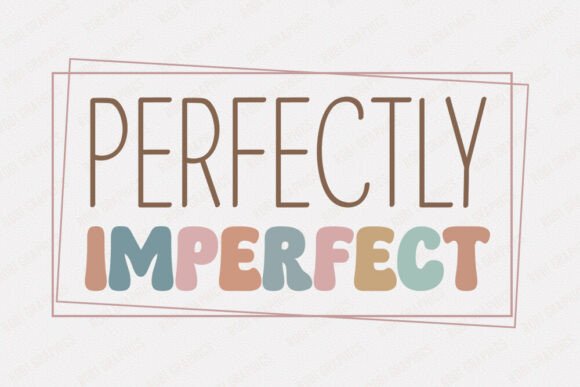
The visual personality of Perfectly Imperfect - Retro SVG leans heavily into nostalgia. It avoids the sterile, vector-perfect look that often plagues modern digital assets. Instead, it offers a layout that feels organic and lived-in. For embroidery designers, this is a double-edged sword. Organic shapes can be challenging to stitch because they often lack the rigid structure that helps maintain shape integrity during high-speed stitching. However, when executed correctly, they provide a warmth that rigid designs cannot match.
The mood created by this design is inviting and soft. It fits naturally into projects that aim for a cozy, handmade feel. I immediately envisioned this working beautifully on a tote bag design intended for a local farmer’s market or as a sweatshirt embroidery piece for a boutique clothing brand. The retro vibe aligns perfectly with current trends in custom apparel, where customers are increasingly seeking items that feel unique and artisanal rather than mass-produced.
Real-World Application: The Tote Bag Test
To truly evaluate this asset, I simulated a common scenario: creating a custom embroidered tote bag for a client. Tote bags are typically made from canvas or heavy cotton, which provides a stable base for stitching. I loaded the SVG file into my editing software to prepare it for the hoop. One of the standout features mentioned in the product description is that you get a 100% editable and color-changeable file. This is essential for a designer.
I adjusted the thread colors to match a muted, earthy palette—terracotta, sage, and cream. Because the file is provided in SVG, EPS, DXF, and PNG formats, I had the flexibility to manipulate the vectors before converting them into stitch data. This step is critical. A raw SVG is not a stitch file; it is a graphic. As an experienced reviewer, I must emphasize that you will need to digitize this or use auto-digitizing software with caution. The "imperfect" lines might result in jagged edges if the stitch density is not managed properly.
On the tote bag, the design performed well as a central focal point. The retro styling complemented the natural texture of the canvas. It did not look like a sticker slapped on top; instead, the threads sank slightly into the weave, enhancing that handmade aesthetic. For an embroidery project aimed at selling finished goods, this level of integration between design and fabric is what drives customer trust and perceived value.
Material Considerations and Stitch Behavior
While the design shines on stable fabrics like canvas, I have concerns about its performance on more challenging materials. If you are planning to use this on a stretchy fabric, such as a jersey t-shirt or a baby onesie, you must proceed with care. The organic shapes may distort if the fabric pulls during wear or washing. In these cases, using a high-quality cut-away stabilizer is non-negotiable. Without proper support, the "perfectly imperfect" lines could become "accidentally messy."
For baby embroidery projects, softness is key. If this design is scaled down too small, the details might become dense and scratchy. I recommend testing the design on scrap fabric first to check the hand feel. If the fill stitch areas are too tight, consider reducing the density or converting some elements to a running stitch or satin stitch border to keep the back of the garment comfortable against sensitive skin.
Additionally, curved surfaces like caps present a unique challenge. The retro layout might warp if applied to the front panel of a baseball cap without proper hooping technique. I would advise using a cap frame and ensuring the design is centered perfectly to avoid asymmetry that looks unintentional rather than stylistic.
Commercial Viability for Small Businesses
For craft business owners and commercial embroidery professionals, the versatility of Perfectly Imperfect - Retro SVG is a strong selling point. The ability to change colors easily means you can offer customization options to your clients without redesigning the entire pattern. You can create a series of holiday embroidery items by simply swapping out thread colors to match seasonal themes.
When listing these items on platforms like Etsy, the visual appeal of the design plays a huge role in buyer engagement. The retro style photographs well, especially when paired with natural lighting and textured backgrounds. Creating a printable mockup or a high-quality photo of the finished product can significantly boost conversion rates. Customers are drawn to designs that tell a story, and this graphic certainly has narrative potential.
However, always confirm licensing terms before selling. While the product states you get editable files, ensure you understand the rights regarding commercial use of the final stitched items versus the digital file itself. Most designers allow the sale of physical products but restrict the resale of the digital design assets.
Practical Designer Notes and Final Verdict
Before you commit to a large batch of production, here are my practical notes for working with this file:
- Test on Scrap Fabric: Always run a test stitch-out on the same type of fabric you intend to use for the final product. This helps you identify any issues with stitch density or registration.
- Check Contrast: Review the design in black and white mockups to ensure the shapes remain distinct even without color differentiation. This is crucial for readability on busy fabrics.
- Hoop Size Matters: Ensure your hoop size accommodates the full design with enough margin for stability. Crowding the design near the edge of the hoop can lead to puckering.
- Fabric Texture: Consider how the fabric texture interacts with the stitches. Textured fabrics like linen can hide minor imperfections, while smooth silks will highlight every deviation.
- Digital File Formats: Utilize the included SVG and EPS files for scaling without loss of quality. Use the PNG for quick previews or web listings, but rely on the vector files for any resizing or editing.
In conclusion, Perfectly Imperfect - Retro SVG is a compelling addition to a designer’s library. It captures a specific moment in design history and translates it into a format that, with careful handling, can produce stunning handmade products. It is not a plug-and-play solution for every situation, but for those willing to put in the preparatory work, it offers a charming and versatile option for custom apparel, home decor, and gifts. Its strength lies in its character, and when respected as a design element rather than just a graphic, it delivers a professional and heartfelt result.