My Heart is on That Field: A Designer’s Review
As a designer who spends half my life staring at digitized patterns and the other half pulling threads out of botched samples, I have learned to look past the glossy preview images. When I first encountered My Heart is on That Field, my initial reaction was not just about the aesthetic appeal, but about its viability as a functional machine embroidery design. The title itself evokes a specific nostalgia—a blend of sports enthusiasm and sentimental affection that resonates deeply with parents, partners, and fans alike. But does it hold up under the needle? Let’s dig into the practical realities of using this asset in real-world embroidery projects.
First Impressions and Visual Personality
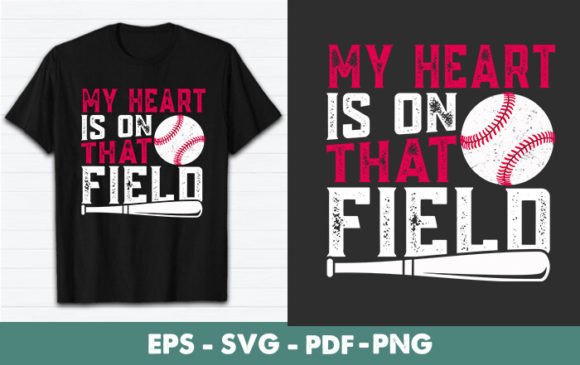
The visual personality of My Heart is on That Field strikes a balance between playful and polished. It is categorized under Print Templates and Graphics, which suggests versatility, but for us embroiderers, the key question is always about line weight and detail resolution. The design features a clear thematic focus on baseball, utilizing shapes that are generally forgiving for stitching. The mood it creates is warm and supportive, making it an ideal candidate for personalized items where emotional connection drives the purchase.
From a layout perspective, the composition feels balanced. It does not appear overly dense, which is a common pitfall in sports-themed designs that try to cram too much action into a small hoop. This openness is crucial. It means the design breathes well on fabric, allowing the texture of the material to show through rather than being buried under a mountain of thread. For a craft business owner, this translates to faster stitch times and less risk of puckering, two factors that directly impact profitability and product quality.
Real-World Application: The Custom Sweatshirt Test
To truly evaluate My Heart is on That Field, I mentally placed it on a heather grey crewneck sweatshirt, a staple item for any Etsy seller or boutique owner. This is a classic use case: a parent wanting a custom piece for their child’s game day or a partner showing support for their significant other’s league. The design’s scale seems appropriate for the left chest area or a larger placement on the back.
When working with fleece or cotton blends, the stability of the design is paramount. Because this graphic relies on recognizable shapes rather than microscopic details, it performs well on textured fabrics. The thread colors you choose will define the final look. A traditional red, white, and blue palette works for a patriotic feel, while pastel tones could soften the look for baby embroidery on a onesie. The versatility here allows you to market the same digital embroidery file to different niches simply by changing your thread map.
Beyond Apparel: Totes and Home Decor
While apparel is the obvious choice, do not overlook the potential for tote bag design applications. Canvas bags are incredibly popular for handmade products, and a sturdy baseball-themed design adds value to a simple grocery or library bag. The durability of the stitch pattern, assuming proper digitization, means it can withstand the wear and tear of daily use. Similarly, consider its use on kitchen towels or aprons for the sports-loving chef in your life. These items make excellent holiday gifts or end-of-season team presents.
Technical Considerations and Potential Pitfalls
No design is without its challenges, and honest review requires addressing where My Heart is on That Field might trip you up. Since the source description mentions it is a printable T-Shirt and sticker design, we must be cautious about assuming it is pre-digitized for embroidery. If you are converting this from a vector or raster image, pay close attention to stitch density. Baseballs and hearts often involve curves; if these are not properly smoothed with adequate satin stitch or fill stitch settings, you may see jagged edges or gaps in the coverage.
For those using smaller hoops, such as a 4x4 inch frame, check the dimensions carefully. If the design includes any text or fine lines associated with the "field" aspect, these might become illegible if scaled down too far. Tiny lettering is the enemy of clean embroidery. Always test the design on scrap fabric first. This is non-negotiable. You need to see how the stabilizer interacts with your chosen fabric. On stretchy materials like jersey knits, a cut-away stabilizer is essential to prevent the design from warping after washing.
Fabric and Color Contrast
Contrast is king. If you are stitching this on a dark navy cap, ensure your thread colors pop. White or bright yellow threads will stand out, but muted tones might get lost. Conversely, on light-colored custom apparel, avoid using threads that are too similar to the fabric shade unless you are aiming for a subtle, tonal look. Remember that curved surfaces like caps require careful hooping and potentially a different digitizing approach to account for the distortion of the fabric.
Commercial Viability and Brand Consistency
For small shop product creators, the appeal of My Heart is on That Field lies in its emotional resonance. It is not just a baseball; it is a statement of love and support. This narrative sells. When you list this as a personalized gift, you are tapping into a market that values sentiment over simplicity. However, professionalism is key. Your finished product must look crisp. Loose threads, poor tension, or misaligned hoops will undermine the design’s charm.
Using this design in your portfolio can help establish brand consistency if your shop focuses on family, sports, or community themes. It pairs well with other design assets that share a similar line weight and whimsical yet clean aesthetic. When creating printable mockup images for your online store, ensure the digital representation matches the physical reality. Customers trust what they see, so accurate photography of the stitched result is vital for maintaining buyer engagement.
Final Verdict and Practical Advice
In conclusion, My Heart is on That Field is a promising candidate for a variety of commercial embroidery and personal projects. Its strength lies in its clear theme and adaptable layout. However, success depends on your technical execution. Before you commit to a large batch of embroidered patches or customer orders, take the time to refine your settings.
- Check Licensing: Since this is listed under Graphics and Print Templates, confirm whether the license extends to commercial embroidery sales. Never assume; always verify.
- Test Stitch: Run the design on the exact fabric you plan to sell. Different materials react differently to tension and density.
- Optimize Digitization: If you are digitizing this yourself, focus on smooth curves and appropriate underlay stitches to ensure stability.
- Consider the Hoop: Ensure the design fits comfortably within your hoop size without hitting the edges, especially on irregular items like caps.
By approaching My Heart is on That Field with a critical eye and a steady hand, you can transform a simple graphic into a high-value handmade product that customers will cherish. It is a reminder that in our craft, the heart of the project is not just in the design, but in the care we put into every stitch.