Fearfully and Wonderfully Made: A Designer’s Review
As a designer who has spent years digitizing patterns and reviewing embroidery assets for real-world application, I approach every new file with a mix of curiosity and skepticism. We have all been there: you download a stunning graphic, only to find it collapses into a mess of thread breaks and puckering once it hits the fabric. That is why my evaluation of Fearfully and Wonderfully Made focuses less on the marketing hype and more on how this design actually performs in the hoop. This phrase, deeply rooted in spiritual and personal identity, carries a weight that requires careful visual handling. It is not just text; it is a statement. When we translate such a meaningful sentiment into a machine embroidery design, the execution must match the gravity of the words.
First Impressions and Visual Personality
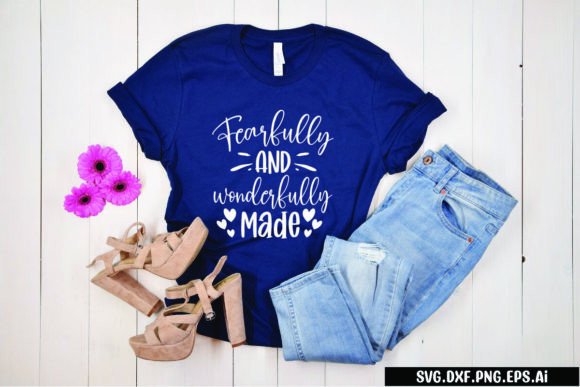
The immediate appeal of Fearfully and Wonderfully Made lies in its typographic balance. In the provided Graphics and vector formats like Ai, EPS, and SVG, the layout feels intentional. For those of us working in T-Shirt Designs, we know that typography is king. The design avoids overly ornate flourishes that often plague faith-based or inspirational quotes, opting instead for a clean, readable structure. This is crucial. In embroidery, complexity is the enemy of clarity. If the letters are too thin or the spacing too tight, the thread will bridge gaps unintentionally, creating a blob rather than a word.
The mood this design creates is one of gentle affirmation. It is soft yet confident. Visually, it lends itself beautifully to projects that prioritize comfort and personal connection. I can immediately see this working well on items meant to be held close to the body, such as baby onesies, soft blankets, or comfortable lounge wear. The visual personality is versatile, bridging the gap between modern minimalist aesthetics and traditional heartfelt craftsmanship. Because the files are 100 color changeable, you are not locked into a single aesthetic. You can adapt the thread colors to match seasonal palettes, brand identities, or specific customer requests, which is a massive advantage for any Etsy seller or craft business owner.
Real-World Application: The Tote Bag Test
To truly understand the value of an embroidery file, I mentally place it on a standard canvas tote bag. This is a popular item for small shops and boutique branding. Imagine stitching Fearfully and Wonderfully Made onto a natural cotton canvas. The texture of the canvas provides a sturdy base, allowing the stitches to sit high and proud without sinking into the weave. Here, the design shines. The legibility remains high even from a distance, making it an effective piece of wearable art or a functional accessory.
However, let us consider a more challenging scenario: a lightweight, stretchy jersey knit for a custom t-shirt. This is where your skill as an operator comes into play. While the design itself is solid, the fabric choice dictates the outcome. On stretchy fabric, you must use a cut-away stabilizer to prevent distortion. The design’s layout appears balanced enough to handle moderate stitch density, but I would recommend testing a smaller version first. If the design includes fine details, they might get lost on a textured fabric like a waffle-knit sweatshirt. In such cases, simplifying the thread palette to two or three contrasting colors can help maintain definition. The inclusion of PNG file 300 dpi high resolution and JPG With High-Quality Mockup allows you to visualize these variations before you even thread your needle, saving both time and materials.
Navigating Technical Constraints
No design is universal, and Fearfully and Wonderfully Made is no exception. There are specific situations where you should proceed with caution. First, consider the hoop size. If you are working with a small 4x4 inch hoop, you may need to scale the design down significantly. When shrinking embroidery designs, you risk increasing the stitch density relative to the area, which can lead to puckering or needle breaks. Always check the stitch count if provided, or run a test stitch-out on scrap fabric identical to your final project material.
Another critical factor is the background color. The design’s effectiveness relies heavily on contrast. On dark fabrics, light thread colors will pop, but you must ensure the underlying fabric does not show through the stitches. Using a topping or adjusting the underlay stitches can mitigate this. Conversely, on white or light-colored fabrics, ensure your thread colors are vibrant enough to stand out. The Transparent backgrounds included in the package are particularly useful for creating digital previews for your online store, allowing you to overlay the design on various product photos to gauge contrast before production.
For curved surfaces like caps or hats, the design’s width becomes a limiting factor. Most standard caps have a limited embroidery area. You may need to resize the design to fit within a 2.5-inch height constraint. Be aware that resizing can alter the aspect ratio if not done correctly in your embroidery software. Since you receive editable files like DXF and SVG, you have the flexibility to adjust proportions, but always preview the changes in your digitizing software to ensure the letterforms remain legible and aesthetically pleasing.
Enhancing Product Value and Brand Trust
Why does the quality of your design file matter? Because it directly impacts the perceived value of your finished product. A clean, well-digitized embroidery project signals professionalism. It tells the customer that you care about details. When a buyer receives a personalized gift featuring Fearfully and Wonderfully Made, the crispness of the letters and the neatness of the edges contribute to their emotional response. Sloppy stitching or poorly chosen colors can undermine the message, turning a heartfelt gift into a disappointing commodity.
For commercial embroidery and small shop product lines, consistency is key. Having access to 100 editable file options means you can create a cohesive collection. You might offer this design on a range of products: aprons for kitchen enthusiasts, pillow covers for home decor, or patches for jackets. The ability to change colors easily allows you to tailor each item to current trends without needing to purchase new designs constantly. This flexibility is a significant asset for maintaining a fresh inventory on platforms like Etsy or at local craft fairs.
Practical Notes for the Embroiderer
Before you commit to a large production run, here are my top recommendations for working with this design:
- Test on Scrap Fabric: Always stitch a sample on the exact fabric type you plan to use. This reveals issues with tension, density, and stabilizer compatibility.
- Check Thread Contrast: Use the high-quality mockups to experiment with different thread combinations. Ensure the text is readable against the fabric background.
- Review Stitch Density: If the design feels too dense, consider reducing the density in your software or using a lighter weight thread to prevent stiffness.
- Confirm Hoop Size: Measure your hoop and compare it to the design dimensions. Leave at least half an inch of margin around the design for stability.
- Inspect Small Details: Zoom in on the vector files to check for any tiny elements that might not stitch out well. Simplify if necessary.
- Use Proper Stabilizer: Match your stabilizer to your fabric. Cut-away for knits, tear-away for woven fabrics, and water-soluble topping for towels or fleece.
- Verify Licensing: While the product description mentions commercial viability, always double-check the specific license terms included with the download to ensure compliance for selling finished items.
In conclusion, Fearfully and Wonderfully Made is a strong contender for your design library. It offers the versatility needed for diverse projects, from baby embroidery to holiday embroidery gifts. Its strength lies in its clean typography and adaptability. By respecting the technical constraints of embroidery and applying thoughtful craftsmanship, you can transform this digital asset into a tangible product that resonates with customers. It is not just a file; it is a tool for creating meaningful connections through craft. Whether you are a seasoned apparel decorator or a hobbyist looking to elevate your handmade product line, this design deserves a spot in your rotation, provided you approach it with the precision and care it merits.