EARTH DAY: A Designer’s Review for Embroidery Projects
As an embroidery designer who spends more time staring at stitch simulations than I do sleeping, I have learned to be skeptical of digital assets. We all know the disappointment of downloading a digital embroidery file that looks crisp on screen but turns into a tangled mess of thread breaks and puckering on fabric. So, when I pulled the EARTH DAY design into my workspace, I wasn’t just looking for cute aesthetics. I was looking for structural integrity, versatility, and commercial viability.
This isn’t just another clipart dump. The package includes SVG, DXF, and a high-resolution PNG (4500×5400 at 300 dpi with a transparent background). For those of us working in both digital printing and machine embroidery, this hybrid approach is increasingly common. However, my focus here is strictly on how these Illustrations and Graphics translate when put under the needle. If you are an Etsy seller, a craft business owner, or a hobbyist looking to elevate your handmade product line, here is my practical breakdown of using EARTH DAY in real-world scenarios.
First Impressions: Mood and Visual Personality
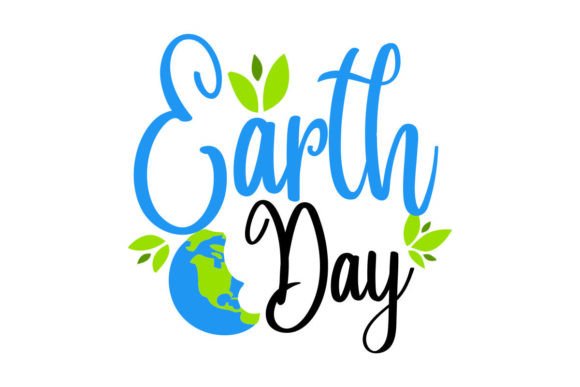
The first thing that strikes me about EARTH DAY is its balanced simplicity. In embroidery, complexity is often the enemy of quality. Designs that try to do too much with tiny details often fail on textured fabrics. This design, however, feels intentional. It carries a mood that is both celebratory and grounded, fitting perfectly with the current consumer demand for eco-conscious and nature-inspired items.
The layout suggests a strong central focal point, which is crucial for custom apparel like sweatshirts and tote bags. When I visualize this stitched out, I see clean lines that would respond well to a combination of satin stitch borders and fill stitch interiors. The visual personality is friendly but professional, meaning it won’t look out of place on a high-end boutique item or a casual family gift. It avoids the overly cartoonish trap that many holiday-themed designs fall into, giving it a longer shelf life in your design assets library.
Real-World Application: From Tote Bags to Sweatshirts
To truly test a design, you have to imagine it on actual products. I recently worked on a spring collection for a local small shop product line, and EARTH DAY immediately came to mind for a heavy-canvas tote bag design. Here is why it works:
- Fabric Compatibility: The bold nature of the graphics allows them to stand out against the weave of canvas or cotton twill. On a sweatshirt embroidery project, the design holds its own against the fuzzy texture of fleece without getting lost.
- Thread Color Potential: Because the design relies on strong shapes rather than microscopic gradients, you have freedom with thread colors. You can stick to traditional greens and blues for a classic look, or go unconventional with earth tones like terracotta and mustard for a modern, trendy vibe.
- Giftability: For personalized gift markets, this design is a winner. It works beautifully on baby embroidery items like onesies or burp cloths, provided you scale it down appropriately. Parents love subtle, meaningful motifs, and this fits the bill without being overwhelming.
I also considered this for a holiday embroidery capsule collection. While Earth Day is a specific date, the theme of nature resonates year-round. Using this as a base for commercial embroidery projects means you aren’t limited to a single week of sales. You can market it as part of a "Love Nature" series, extending its profitability.
Technical Considerations and Stitching Clarity
Now, let’s talk about the mechanics. Since the primary files provided are SVG, DXF, and PNG, it is critical to understand your workflow. If you are using this for machine embroidery, you will likely need to digitize the SVG or use the PNG as a reference for auto-digitizing software. This is where your skill as a designer comes into play.
Stitch density is your biggest variable here. If you convert the solid areas of the graphic directly into fill stitches without adjustment, you risk creating a stiff, cardboard-like patch on soft fabric. My advice? Break up large filled areas with lighter patterns or reduce the density slightly to maintain the drape of the garment. For the outlines, a clean running stitch or a narrow satin stitch can define the edges without adding unnecessary bulk.
Another factor is hoop size. Before you start stitching, confirm the dimensions of your final output. If you are aiming for a large back-print on a hoodie, ensure your hoop can handle the span. If you are doing a left-chest logo on a polo, you will need to scale EARTH DAY down significantly. When scaling down, watch out for tiny details. If elements become smaller than 3mm, they may not stitch out cleanly. In such cases, simplify the design by removing the smallest internal details to preserve stitching clarity.
Where to Use Caution
No design is perfect for every surface. Here is where you need to be careful with EARTH DAY:
- Stretchy Fabrics: If you are putting this on a thin jersey t-shirt, you must use a cut-away stabilizer. The weight of the stitches can cause lightweight knits to pucker if not properly supported.
- Dark Fabrics: If your design includes light colors, ensure you have a solid underlay or consider using a white backing thread to prevent the dark fabric from showing through the stitches. This affects the overall visual appeal and professionalism of the finished product.
- Curved Surfaces: Embroidering on caps or curved pockets requires careful hooping. The rigid nature of dense embroidery can distort curved seams. Test on a scrap piece of similar material first.
Boosting Brand Value and Customer Trust
Why does this matter for your business? Because consistency builds trust. When a customer buys an embroidered patch or a custom shirt, they are judging your attention to detail. A design like EARTH DAY, when executed well, signals quality. It shows that you care about the aesthetic and the durability of the item.
For printable mockup creation, the included high-res PNG is a goldmine. You can create realistic previews for your online store without stitching every single sample. This saves time and materials, allowing you to test different colorways digitally before committing to thread. This is essential for maintaining efficiency in a craft business.
Final Verdict and Practical Notes
EARTH DAY is a versatile asset for any designer’s toolkit. It bridges the gap between digital Graphics and tactile embroidery art. However, success lies in the preparation. Here is my checklist before you hit "start" on your machine:
- Test on Scrap: Always stitch a test piece on the same fabric type you plan to use for the final product.
- Check Licensing: Confirm the license terms for commercial use. Can you sell finished items? Can you resell the digital file? Clarify this before listing on Etsy or other platforms.
- Contrast Check: View your design in black and white. If the details disappear, you may need to adjust line weights or spacing.
- Stabilizer Choice: Match your stabilizer to your fabric. Tear-away for stable woven fabrics, cut-away for knits.
In conclusion, EARTH DAY offers a solid foundation for creating meaningful, high-quality embroidered goods. Whether you are making a personalized gift for a friend or stocking your small shop product inventory, this design rewards careful execution with a professional, polished result. Treat it with the respect it deserves in your digitizing process, and it will serve your brand well.